Top Ad 728x90

Friday, November 13, 2026

If your partner passes away first — Avoid these 5 mistakes to live peacefully and strongly after 60.

by


Losing the person with whom you shared years of your life, routines, and memories changes everything. The silence of the home, the empty spaces, and the missing little habits can feel heavier than any words. In that moment of grief, many people make impulsive decisions that, without realizing it, turn the following years into a constant struggle instead of a period of calm.

Grief is natural. Confusion is too. But true wisdom after a loss lies not only in knowing what to do, but also in knowing what to say no to. Avoiding certain mistakes can protect your emotional well-being, your financial stability, and your personal dignity in this new stage of life.

Here are five decisions you should avoid.
1. Don’t make important decisions too quickly.

The first few months after a loss are dominated by intense emotions. It’s the worst time to sell the house, divide assets, move, or take on financial commitments.

Many people make drastic changes simply because the pain makes their current environment unbearable. However, what seems unbearable today may become a refuge filled with precious memories tomorrow.

Clarity comes slowly. Giving yourself time is not weakness, it’s protection. Decisions that affect your future should come from a place of calm, not sadness.

2. Don’t isolate yourself or shut yourself away in grief.

After the death of a partner, silence weighs heavily. Solitary meals, long nights, and mornings without company can create the temptation to withdraw from the world.

The problem is that prolonged isolation doesn’t protect love or honor the memory of a loved one. It only fuels sadness and weakens spirits.

Life hasn’t ended: it has changed form. Maintaining contact with other people, talking, sharing a coffee, participating in activities or social groups helps keep your heart open.


Honoring the one who has passed doesn’t mean disappearing into sadness, but rather continuing to live with purpose.

3. Don’t relinquish control of your finances

After a loss, many older adults begin to depend financially on children or relatives. Sometimes it starts with small favors: someone pays a bill, handles paperwork, or manages the money.

But when financial independence is lost, so is the ability to make free decisions.

Maintaining control of pensions, savings, insurance, and accounts is a way of respecting yourself and the life you built with your partner.

Seeking professional advice is valid. Giving up total control out of fear or sadness can lead to problems that are difficult to reverse.

4. Don’t move hastily to a relative’s home

After a loss, it’s common to hear, “You can’t live alone, come live with us.” Even with good intentions, a quick move can mean losing privacy, independence, and routine.

At first, everything seems comfortable, but over time, differences arise in schedules, habits, and personal space. Unwittingly, the older adult may feel like a permanent visitor in someone else’s home.

Having your own space—even a small one—preserves freedom, personal rhythm, and emotional dignity.

Family closeness is valuable, but so is autonomy.

5. Don’t neglect your health or your daily routine.

Grief affects not only the heart but also the body. It can decrease appetite, disrupt sleep, and reduce energy. Many people begin to skip meals, move less, or ignore physical signs.

This silent neglect can accelerate deterioration.

Taking care of yourself is not selfish. It is the most profound way to honor the love you experienced.

Maintaining simple schedules, walking daily, eating a balanced diet, getting enough rest, and attending medical checkups helps you regain emotional and physical stability.

Even small daily rituals can bring meaning back to your days.


Tips and recommendations:
Avoid making important decisions during the first year unless they are urgent.

Stay in frequent contact with friends, neighbors, or close family members.

Review your finances calmly and seek independent advice if needed.

Preserve your personal space whenever possible.

Establish a simple daily routine: set times for meals, rest, and activity.

Allow yourself to experience new things without feeling guilty.

Remember that asking for emotional or psychological help is a sign of strength, not weakness.

The loss of a partner transforms life, but it doesn’t end it. Avoiding impulsive decisions, protecting your independence, and maintaining your health are essential steps to navigate grief with dignity. Living serenely after 60 doesn’t mean forgetting, but rather learning to move forward, carrying love as an inner strength.
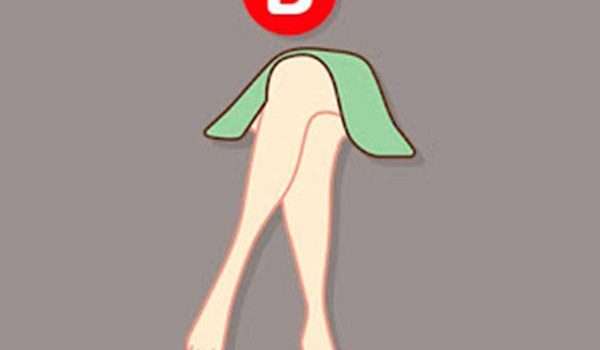
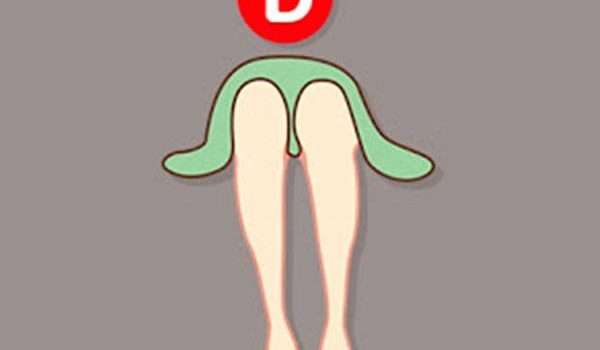
This is What the Position of Your Legs While Sitting Reveals About You!..

by


There is a fact that body language can tell a lot about people. And do you know that the position of your legs while sitting is able to show your intentions and deepest secrets, according to psychologists? Let's explore the meaning of sitting postures in the article below!

Position A

A large majority of this type of person believes that being indifferent with their problems will make them go away. However, this is not the way to go.

Unfortunately, in order to avoid burdening themselves and wasting valuable time, these people would prefer to assign their problems to someone else. The communication with these individuals goes smoothly; They're interesting, creative, charming, and a bit childish. At times, they don't think before they speak and realize what they've said after it becomes too late.

Position B

These people have great imaginations and are dreamers. They have a ton of fresh and innovative ideas that are well received at work. People like this routine and they love to travel and make new friends. They have no problem starting from the bottom if they're unhappy with something. Moreover, they never waste their time on relationships that don't make them happy or jobs that suck out their positive energy.

Position C
For these people, comfort comes first. Because they want everything to be flawless and run well, when they want to buy something, they typically consider it for days on end and focus on the best choice. When it comes to choosing clothes, shoes, perfumes, or furniture, they are very picky.

They are chronically disorganized, but they know how to function in a messy environment. They have a problem focusing and they have a wandering mind. This may seem arrogant to others because no one likes the other side not paying attention to what you're saying.

Position D

Those with this sitting position don't like to be late and are also not pleasant when others do it. This is an intelligent and vulnerable individual whose tranquility is of utmost importance. They don't like to quarrel with people and they feel uncomfortable expressing many emotions publicly. To them, a kiss is something intimate and they find it unpleasant to kiss in front of other people.

Those who have this sitting position with their step on the whole foot shows openness and ease in expressing emotions. At times, they can be a bit rude. Those who don't rely on the whole foot don't have a problem confronting people. To them, socializing is similar to a battlefield and they need to be cautious of their enemies who could make their life difficult. Their home is their sanctuary where they can fully unwind. They have a hard time accepting criticism because they consider it to be a personal attack and they will immediately start defending themselves.

Position E

These people never rush things and have faith that everything will work out in due course. They never give up until they accomplish their objective because they are obstinate and tenacious. To them, their outer appearance is crucial and they're ready to invest a lot of effort to look as good as possible. However, this could be a sign of insecurity and lack of self-confidence. They also have a hard time accepting criticism.

😱 “Is Your Air Conditioner Harming You Without You Realizing It?! Discover the Truth!”

by


❄️ The Hidden Risks of Air Conditioners You Should Know
Air conditioners are essential, especially during hot weather, but excessive or improper use can lead to several health and environmental issues.

⚠️ 1. Respiratory Problems
Staying too long in air-conditioned environments can cause dry airways, leading to coughing, throat irritation, and breathing discomfort.

🤧 2. Increased Risk of Illness
Sudden changes between hot outdoor temperatures and cold indoor air can weaken the immune system, making you more prone to colds and flu.

🦠 3. Poor Air Quality
If the AC is not cleaned regularly, it can circulate dust, bacteria, and allergens, which may trigger allergies and asthma.

💆 4. Headaches & Fatigue
Cold, dry air can cause dehydration, headaches, and general fatigue, especially after long exposure.

🌍 5. Environmental Impact
Air conditioners consume a lot of electricity and can contribute to environmental pollution if overused.

🔑 Simple Tips to Stay Safe
Clean filters regularly

Avoid very low temperatures

Stay hydrated

Limit long exposure

Ventilate your space when possible

✅ Conclusion
Air conditioners are useful, but moderation and proper maintenance are key to avoiding their negative effects.

I Was Married to My Husband for 72 Years – At His Funeral One of His Fellow Service Members Handed Me a Small Box and I Couldn’t Believe What Was Inside

by


For seventy-two years, I believed there was nothing about my husband I didn’t understand.
But on the day of his funeral, a stranger placed a small box in my hands. Inside was a ring that quietly unraveled everything I thought I knew about love, promises, and the silent sacrifices people carry with them.

Seventy-two years.

When you say it aloud, it almost sounds unbelievable—like a lifetime belonging to someone else. But it belonged to Walter and me. It was our life.

That thought stayed with me as I sat in the chapel watching his casket, my hands folded tightly in my lap.

When you share that many birthdays, winters, and ordinary mornings with someone, you begin to think you recognize every sound they make—the way they sigh, the way they walk across the floor, even the pauses between their words.

I knew Walter’s habits by heart. I knew how he liked his coffee, how he checked the back door every night before bed, and how his church coat always rested on the same chair every Sunday afternoon.

I believed I understood every part of him that mattered.

But sometimes love carefully tucks certain memories away. And sometimes those hidden pieces only appear when it’s too late to ask about them.

The funeral itself was small, just as Walter would have preferred. A few neighbors offered quiet condolences. Our daughter Ruth dabbed gently at her eyes, pretending no one noticed.

I nudged her softly. “Careful, sweetheart. You’ll ruin your makeup.”

She sniffed. “Sorry, Mama. Dad would tease me if he saw.”

Across the aisle, my grandson Toby stood stiff in his polished shoes, trying to look older than he really was.

“Grandma, are you okay?” he asked quietly. “Do you need anything?”

I squeezed his hand. “I’ve handled worse,” I said, forcing a small smile. “Your grandfather would have hated all this attention.”

Toby glanced down at his shoes with a shy grin. “He’d say they’re too shiny.”

“He would,” I replied warmly.

For a moment I almost reached beside me out of habit, expecting to feel Walter’s hand there.

As the service ended and people began leaving, Ruth touched my arm.

“Mama, do you want to step outside for some air?”

“Not yet,” I said.

Then he held out a small box. The edges were worn, as if it had been carried for many years.

“He made me promise something,” Paul said quietly. “If I outlived him, this was meant for you.”

My hands trembled as I accepted it.

Inside the box rested a thin gold wedding band—smaller than mine and worn smooth with time. Beneath it lay a folded note written in Walter’s familiar handwriting.

For one terrible moment my heart raced with fear.

“Mama?” Ruth asked softly. “What is it?”

I stared at the ring.

“This isn’t mine,” I whispered.

Toby looked confused. “Grandpa left you another ring?”

I shook my head slowly. “No, sweetheart. It belongs to someone else.”

I turned to Paul, my voice tight.

“Why would my husband have another woman’s wedding ring?”
Around us, conversations faded and chairs shifted quietly. People tried not to stare, but they were all listening.

After seventy-two years of marriage, I suddenly wondered if there had been a part of Walter’s life I had never known.

“Paul,” I said firmly, “please explain.”

Paul took a deep breath before speaking.

“It was 1945, near Reims,” he began. “Toward the end of the war.”

He told us about a young woman named Elena who came to the gates every morning searching for her missing husband, Anton.

Walter had helped her write letters and shared his rations while he asked soldiers for news about Anton.

The war taught me how fragile love can be. Keeping this ring was never about another woman. If anything, it reminded me every day how lucky I was to come home to you.

You were always my safe place.

Yours always,
Walter.”

Tears blurred my vision as I recognized the handwriting I had seen on grocery lists and birthday cards for decades.

For a brief moment I felt angry that he had never shared this story.
But then I heard Walter’s voice in the words, steady and sincere, and the anger softened.

The following morning Toby drove me to the cemetery before visitors arrived.

I placed the ring and Walter’s letter inside a small velvet pouch and laid it gently beside his grave.

For one frightening moment the day before, I had thought I had lost my husband twice—once to death, and once to a secret I didn’t understand.

But now I knew the truth.

After seventy-two years, I hadn’t known every part of Walter.

I had only known the part of him that loved me most.

And in the end, that was more than enough.

That Dark Line on Your Shrimp: What It Is and Whether You Should Remove It

by


You've seen it a hundred times. You're peeling shrimp for a recipe, and there it is—that dark, thin line running along the back. Maybe you've diligently removed it every single time. Maybe you've wondered if it really matters. Maybe you've been too hungry to care.

Let's clear up the confusion once and for all.Fish & Seafood

What is that dark line? Is it safe to eat? And when should you actually bother removing it?

First, What the "Vein" Actually Is

Let's start with the most common misconception: it's not a vein at all.

That dark line running along the back of a shrimp is the digestive tract—essentially, the shrimp's intestine. The dark color comes from undigested food or waste, usually algae, plankton, or whatever the shrimp was feeding on before it was caught.

Shrimp have an open circulatory system, which means their "blood" (called hemolymph) isn't contained in veins like ours. So there are no actual blood vessels running along that line.

Fun fact: There's also a white "vein" along the underside of the shrimp. That's the nerve cord—the shrimp's equivalent of a spinal cord. Most people don't notice it, and it's completely harmless.

Is It Safe to Eat?

The short answer: yes, it's safe.

The dark digestive tract contains nothing harmful to humans. It's essentially what the shrimp ate before it became dinner. In small shrimp, it's barely noticeable and won't affect flavor or texture.Food

That said, there are two reasons you might want to remove it:

1. Texture

In larger shrimp (like jumbo or tiger shrimp), the digestive tract can contain grit or sand that creates an unpleasant crunchy texture. If you've ever bitten into a shrimp and felt something gritty, that's why.

2. Appearance
Let's be honest: a dark line running through your beautiful shrimp dish isn't the most appetizing presentation. For elegant dishes where appearance matters, removing it makes sense.

When You Should Remove It

Shrimp SizeShould You Devein?Why
Small (salad shrimp, bay shrimp)NoVirtually invisible; removing it damages the shrimp
Medium (41-60 count)OptionalPersonal preference; not usually noticeable
Large (21-40 count)YesCan contain grit; affects texture
Jumbo (U-15 or larger)DefinitelyWill contain noticeable grit; unpleasant texture

Bottom line: The bigger the shrimp, the more you should consider deveining.

How to Devein Shrimp (If You Choose To)

Method 1: With a Knife
Use a small, sharp paring knife.

Make a shallow cut along the back, just deep enough to expose the dark line.

Lift it out with the tip of the knife or rinse under cold water.

Method 2: With a Deveining Tool

Specialized deveining tools have a small hook that catches the vein and pulls it out in one piece. Quick and easy.

Method 3: For Butterflied Shrimp

If you're butterflying the shrimp (cutting almost all the way through so it opens like a book), the vein will be exposed and can be easily removed.

Pro tip: Devein shrimp before cooking—it's much harder to do afterward.

What About That White "Vein" on the Underside?

The white line running along the underside is the shrimp's nerve cord. It's not a vein, it's not a digestive tract, and it's completely harmless. You don't need to remove it.

Some people remove it in very large shrimp because it can be slightly tougher than the surrounding meat, but it's entirely optional.

Does Deveining Affect Flavor?

In small and medium shrimp, no—the digestive tract is so tiny it doesn't impact flavor at all.

In large shrimp, the grit and sand can create an unpleasant texture, which affects the eating experience. Removing it improves texture, not flavor per se.

The Cultural Perspective

In many cuisines around the world, shrimp are cooked and eaten with the digestive tract intact. It's considered normal and not worth the effort to remove, especially in smaller shrimp.

In Western cooking, particularly in fine dining, deveining is standard practice for presentation and texture.

Neither approach is wrong. It's about context and preference.

A Note on Frozen Shrimp

Most frozen shrimp come already deveined. Check the package—if it says "deveined," the work is already done for you. If not, you can decide based on size.

The Bottom Line

That dark line on your shrimp is the digestive tract, not a vein. It's safe to eat, but for larger shrimp, removing it improves texture and appearance.

Here's your simple rule of thumb:

Small shrimp? Don't bother.

Large shrimp? Take the 30 seconds to remove it.

Cooking for company? Devein for presentation.

Just cooking for yourself? Do whatever you feel like.

No one's judging. And now you know the truth about what's really in that dark line.

What It Means When a House Has One Upside-Down Baluster

by


You're walking up the stairs, glancing at the railing—and suddenly you notice it: one baluster turned upside down, its profile reversed among dozens of perfectly aligned spindles.

At first, you might assume it's a builder's mistake—until you learn the truth.Wood & Plastics

That single inverted baluster isn't an error. It's a centuries-old tradition steeped in humility, craftsmanship, and even spiritual protection.

The Discovery: A Deliberate Flaw

Imagine you're restoring an old home, or perhaps you've just moved into a historic house. You're running your hand along the stair rail, admiring the craftsmanship, when something catches your eye. One baluster—the vertical spindle that supports the handrail—is installed upside down.

Your first thought: Someone must have made a mistake.

But as you look closer, you realize everything else is perfect. The joinery is precise. The spacing is exact. The craftsmanship throughout the house is impeccable. How could a builder so skilled make such an obvious error?

The answer: they didn't.

That upside-down baluster was placed intentionally. And it tells a story.

The Tradition of the "Intentional Imperfection"

This practice appears across cultures and crafts, from Islamic architecture to Japanese pottery to European woodworking. The underlying philosophy is remarkably consistent: only God is perfect. To create something flawless would be an act of hubris—a claim to a level of perfection reserved for the divine.Wood & Plastics

By deliberately including a small, intentional flaw, the craftsman:

Acknowledges human limitation – We are not perfect; our work shouldn't pretend to be

Shows humility before God – Only the divine creates without error

Protects against envy – A perfect object might attract the "evil eye"

Gives the piece "spirit" – In some traditions, imperfection makes an object alive

This is the same philosophy behind the Japanese concept of wabi-sabi—finding beauty in imperfection, transience, and the incomplete.

The Upside-Down Baluster: A Hidden Signature
In the context of staircases, the upside-down baluster became a kind of secret signature—a detail noticed only by those who knew to look. It was:

A craftsman's humility – A quiet admission that only God creates perfection

A nod to tradition – Passing down the practice through generations of builders

A conversation starter – For those curious enough to notice and ask

A protective gesture – Some believed it warded off evil spirits or bad luck

In some cultures, the flaw was believed to confuse evil spirits, who would be distracted by the imperfection and lose their way before reaching the inhabitants.

Other Examples of Intentional Imperfections

Islamic Architecture
Intricate geometric patterns in mosques often include a deliberate "mistake"—a slight asymmetry or interruption in the repeating design. This acknowledges that only Allah can create true perfection.

Native American Weaving

Navajo weavers traditionally include a "spirit line"—a break in the pattern or a contrasting thread—to allow the weaver's spirit to escape the work. Without it, the weaver's energy would be trapped in the rug.

Japanese Pottery

The practice of kintsugi repairs broken pottery with gold, celebrating the imperfection rather than hiding it. More broadly, the aesthetic of wabi-sabi embraces asymmetry, roughness, and simplicity.

Persian Rugs

A deliberate flaw is often woven into Persian carpets, based on the belief that "only God is perfect." The flaw prevents the weaver from committing an act of pride.

Amish Quilts
Some Amish quilts include a deliberate "mistake" in the pattern, reflecting the belief that perfection belongs to God alone.

What It Means If You Find One in Your Home
If you discover an upside-down baluster in your home, consider yourself lucky. You're connected to a tradition that spans centuries and cultures—a quiet reminder that imperfection is not failure but humility.Wood & Plastics

It might mean:

Your home was built by craftsmen who valued tradition – They knew the old ways and honored them

Someone before you appreciated the symbolism – Whether original builder or later owner, they chose to preserve the practice

Your house has a story to tell – Not just of architecture, but of philosophy and faith

You have a conversation piece – Imagine the delight of explaining this to guests

Is It Always Intentional?
Of course, not every upside-down baluster is a philosophical statement. Sometimes it really is a mistake—a tired carpenter, a rushed job, a replacement piece installed incorrectly.

How can you tell the difference?

Likely IntentionalLikely a Mistake
Only one baluster is invertedMultiple balusters are randomly oriented
The craftsmanship elsewhere is excellentThe overall workmanship is poor
The inversion is subtle—easy to missIt's obvious and jarring
The house has other signs of intentional imperfectionNo other unusual details
The home is older, with known craftsmanship traditionsNew construction with generic details

A Modern Revival

In recent years, some contemporary builders and homeowners have rediscovered this tradition. Including an intentional imperfection—whether an upside-down baluster, a mismatched tile, or a slightly off-center detail—has become a way to:

Honor the craftspeople of the past

Add character and story to a new home

Create a personal "signature" within the build

Embrace the beauty of imperfection in an age of mass production

The Deeper Lesson
The upside-down baluster is more than a architectural curiosity. It's a reminder that:

Perfection is not the goal – Connection, meaning, and humanity matter more

Flaws can be beautiful – They tell stories, show character, reveal depth

Humility is timeless – Acknowledging our limitations connects us to something larger

Not everything needs an explanation – Some traditions simply are

In a world that often demands perfection—perfect photos, perfect lives, perfect homes—the upside-down baluster whispers a different truth: It's okay to be imperfect. It's okay to leave room for mystery. It's okay to let something be beautiful because of its flaw, not in spite of it.Wood & Plastics

Why Your Place at the Table Changes the Way You Connect

by


Have you ever wondered what your instincts say about you? Sometimes, even the smallest choices—like where you choose to sit—can reveal hidden aspects of your personality.

In this simple test, you enter a room with a long table, a warm fireplace, and nine chairs. One person is already seated. The question is: Which chair would you choose?

Why This Test Is Interesting

At first glance, it feels like a random decision. But in reality, your choice reflects your comfort zone, your social behavior, and even how you deal with power, distance, and connection.

Most people don’t overthink their answer—they simply feel drawn to one seat. That instinct is exactly what makes this test revealing.

Chairs 1–2: The Social Connectors
If you choose a seat close to the person already sitting, it shows that you are open and approachable.

You likely enjoy conversations, feel comfortable around others, and don’t hesitate to engage. You value connection and are often the one who breaks the silence in a room.

Chairs 3–4: The Balanced Observers
Sitting nearby but not too close suggests a balanced personality.

You are friendly, but you also respect boundaries—both yours and others’. You prefer to observe before fully engaging and value meaningful interactions rather than small talk.

Chairs 5–6: The Independent Thinkers

Choosing a seat farther away often reflects independence.

You are comfortable being on your own and don’t feel the need to constantly interact. You connect with people on your own terms and value personal space and freedom.

Chairs 7–8: The Comfort Seekers
Seats near the fireplace symbolize warmth and emotional security.

If you chose one of these, you likely prioritize comfort, peace, and emotional stability. You prefer calm environments and tend to avoid conflict whenever possible.

Chair 9: The Confident Leader
Sitting directly across from the other person is a bold choice.

This position invites eye contact and interaction, suggesting confidence and assertiveness. You are not afraid to stand out, speak up, and take control in social situations.

There Is No Right or Wrong Choice
What makes this test powerful is that no option is better than another. Each choice reflects a different personality trait.

Your decision may also change depending on your mood, past experiences, or the situation you imagine.

What Your Choice Says About You

In real life, we constantly make similar decisions—where we sit in meetings, how close we stand to others, or how we position ourselves in a group.

These small actions quietly communicate who we are.

Final Thought
So… which chair did you choose?

Take a moment to think about why that spot felt right. Were you looking for connection, comfort, control, or distance?

Sometimes, understanding yourself begins with noticing the smallest choices.

And sometimes, something as simple as a chair can reveal more than you expect.

Top Ad 728x90